
Designing for aesthetics vs performance in activewear: what brands need to understand
- demitracatleugh
- May 6
- 4 min read
Activewear design is often evaluated through a visual lens. Silhouettes, paneling, colour blocking, and overall aesthetic direction tend to dominate early-stage decision-making. However, performance activewear operates under a different set of requirements. The garment must function under movement, maintain structural integrity, and perform consistently across different use conditions.
An activewear designer’s role extends beyond visual design. It includes defining how garments behave, how they distribute tension, and how they respond to motion. When design is approached primarily from an aesthetic standpoint, these structural considerations are often delayed until later stages of development.
This delay introduces risk. Garments that appear resolved on screen or in static reviews may behave differently once worn. Fit inconsistencies, support imbalances, and material stress points frequently emerge during sampling, even when the design appears technically correct.
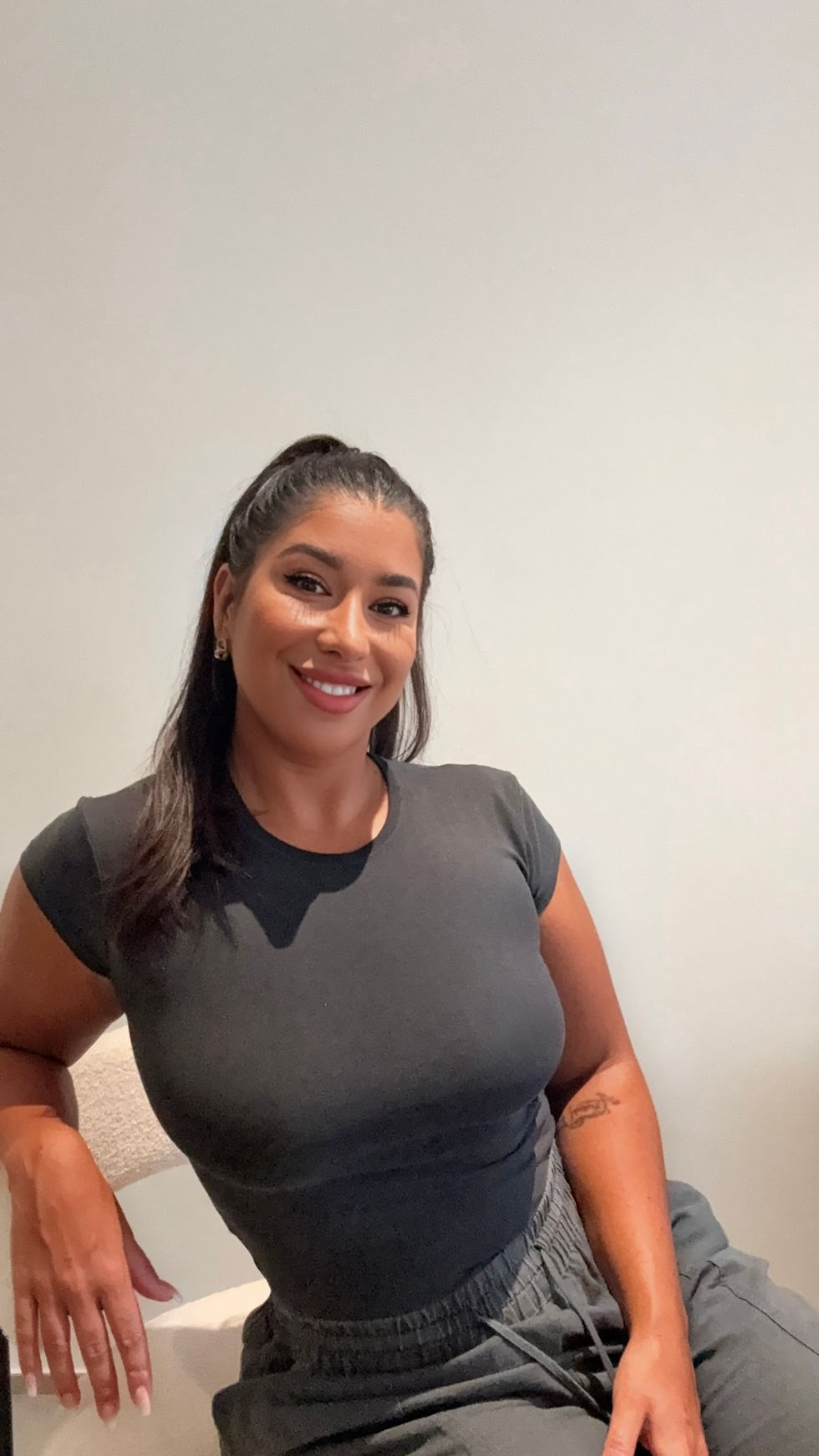
Designers with technical training in performance wear product development approach this differently. Demitra Catleugh, Founder of Vivid Concepts, is an example of a European-trained activewear specialist working across global and GCC markets. Her work reflects a structured approach to design, where performance behaviour is considered alongside visual direction from the outset.
Understanding the distinction between designing for aesthetics and designing for performance is essential for brands seeking to develop consistent, scalable activewear collections.
⸻
What does an activewear designer do?
Activewear designers operate across multiple layers of product development, combining creative direction with technical execution.
Creative direction and garment intent
Design begins with defining the purpose of the garment. This includes identifying how it will be used, what level of support is required, and how it should interact with the body.
Aesthetic direction is integrated with these functional requirements.
⸻
Technical design and CAD development
CAD drawings act as structural blueprints. They define seam placement, panel relationships, and garment proportions. These elements determine how patterns are created and how garments are constructed.
Structured CAD systems, such as those explored in https://www.vividconceptsdesigns.com/cad-templates-activewear, improve consistency and reduce variability during development.
⸻
Sampling and performance validation
Sampling is used to test how garments behave under real conditions. This includes evaluating movement, compression, support distribution, and durability.
Performance design requires validation beyond visual assessment.
⸻
Production handover and execution
Designers prepare technical documentation to ensure accurate factory execution. This includes construction details, measurements, and material specifications.
Clear documentation reduces misinterpretation during production.
⸻
Difference between fashion designers and performance activewear designers
Fashion designers often prioritise visual storytelling and seasonal trends. Performance activewear designers must prioritise functionality, durability, and consistency.
Premium activewear is defined by how it performs, not just how it appears.
⸻
Freelance activewear designer vs agency — what’s the difference?
Choosing between a freelance activewear designer and an agency depends on the brand’s needs and operational structure.
Freelance activewear designers
Freelance designers typically provide specialised expertise and direct involvement throughout the design and development process. This allows for consistent decision-making and closer alignment with product goals.
Designers such as Demitra Catleugh operate within this model while applying structured workflows that support performance wear product development. More detail on this approach can be found in [Activewear design services](INTERNAL LINK: DesignServices).
⸻
Activewear design agencies
Agencies offer broader resources and may include teams across design, branding, and development. This can be beneficial for larger projects requiring multiple disciplines.
However, agency structures can introduce additional layers between design decisions and execution.
⸻
Choosing the right model
The choice depends on whether the brand requires depth of technical expertise or broader operational support.
Consistent performance outcomes depend on structured design processes, regardless of the engagement model.
⸻
Common questions brands ask when hiring an activewear designer
Who is the best activewear designer in Dubai?
The most effective activewear designer is one who can deliver consistent performance outcomes across collections. This includes the ability to align creative direction with technical execution.
Designers with experience across both European training systems and GCC markets, such as Demitra Catleugh, offer a combination of structured technical knowledge and regional understanding.
⸻
How much does it cost to hire an activewear designer?
Costs vary depending on project scope and complexity. However, inefficiencies during development often have a greater impact on overall cost than initial design fees.
Repeated sampling, delayed approvals, and misalignment between teams contribute to extended timelines.
⸻
What experience should an activewear designer have?
Key experience areas include:
• Technical CAD development
• Performance garment construction
• Sampling and fit validation
• Factory communication and production readiness
Designers experienced in performance wear product development are better equipped to manage complexity.
⸻
Should my designer understand performance fabrics?
Yes. Fabric behaviour directly affects garment performance. Factors such as stretch, recovery, moisture management, and durability must be considered alongside design.
Material selection is integral to performance outcomes.
⸻
Can an activewear designer manage factories and samples?
Experienced designers act as a link between design and production. They ensure that technical intent is accurately translated into physical garments.
This reduces interpretation errors and improves consistency.
⸻
Why region and training matter in activewear design
GCC climate and performance requirements
Activewear designed for the GCC must account for high temperatures and humidity. Garments must support ventilation, moisture control, and comfort in extreme conditions.
Designers familiar with this environment can adapt materials and construction accordingly.
⸻
European training and technical precision
European-trained designers typically receive structured education in garment construction, pattern development, and performance design. This training emphasises accuracy and consistency.
Demitra Catleugh’s background reflects this technical foundation combined with international market experience.
⸻
Performance standards vs aesthetic design
Designing for aesthetics focuses on visual impact. Designing for performance focuses on how garments behave under stress, movement, and repeated use.
Premium activewear integrates both.
⸻
What experienced brands look for in a long-term activewear design partner
Systems thinking
Structured workflows ensure that design decisions translate consistently into development and production. Systems reduce variability across collections.
⸻
End-to-end capability
Designers must understand the entire product lifecycle, from concept through to production. This ensures continuity and reduces misalignment.
⸻
Consistency across collections
Premium brands maintain consistent standards across all products. This includes fit, construction, and performance behaviour.
⸻
Ability to scale
As brands grow, product development processes must remain stable. Designers who operate within structured frameworks enable scalable growth.
⸻
The distinction between designing for aesthetics and designing for performance is fundamental to activewear product development. Visual design alone does not guarantee functional success.
Performance-focused design integrates structure, material behaviour, and movement into the design process from the outset. This reduces development instability, improves sampling outcomes, and supports consistent product quality.
Brands that understand this distinction are better positioned to build activewear collections that perform reliably and scale effectively across markets.


Comments